New Delhi, December 29, 2025 — The Supreme Court of India on Monday intervened in the high-profile Unnao rape case by staying the Delhi High Court’s recent order that had suspended the life sentence and granted bail to Kuldeep Singh Sengar, the former Uttar Pradesh MLA convicted in the 2017 rape of a minor girl.
The top court’s decision ensures that Sengar will remain in jail while legal challenges proceed, marking a major development in a case that has drawn national attention and public outrage.
A three-judge vacation bench led by Chief Justice of India Surya Kant, along with Justices J.K. Maheshwari and Augustine George Masih, heard the Central Bureau of Investigation (CBI)’s plea challenging the High Court’s decision. The bench agreed there were substantial questions of law in the matter and issued notice, directing Sengar to respond within four weeks.
The Supreme Court made it clear that Sengar, already in custody on a separate murder sentence, will not be released from jail pursuant to the High Court’s bail order. This move effectively nullifies the relief granted earlier in December by the Delhi High Court.
Background: The Unnao Case and High Court Decision
The Unnao rape case centers on the 2017 gang rape of a minor girl in Unnao district, Uttar Pradesh, a crime that propelled waves of protest nationwide and raised questions about political influence and justice delivery.
Former BJP MLA Kuldeep Singh Sengar was convicted in December 2019 by a trial court and sentenced to life imprisonment for the rape of the minor girl. In a separate case, he was also found guilty of culpable homicide in the killing of the victim’s father and sentenced to 10 years.
On December 23, 2025, the Delhi High Court suspended Sengar’s life sentence and granted bail during the pendency of his appeal, citing that he had already served over seven years and five months in prison. The High Court’s verdict imposed conditions, including restrictions on proximity to the survivor and certain bail bonds.
The relief sparked widespread concern and protests, with activists, women’s groups, and members of the survivor’s family speaking out against the move as undermining justice. Security concerns for the survivor and her children were highlighted amid rising public outrage.
Supreme Court Intervention: Key Points from the Hearing
During the hearing on December 29, the Supreme Court dealt with two petitions: one by the CBI and another by advocates challenging the High Court’s bail order. Solicitor General Tushar Mehta, appearing for the CBI, argued that the High Court erred in its interpretation of aggravated offense provisions under the Protection of Children from Sexual Offences (POCSO) Act and the Indian Penal Code.
He said that the court should recognize that a person in a position of dominance (such as an MLA) committing sexual assault on a minor qualifies under aggravated sexual assault provisions.
The bench noted that the High Court had not adequately examined the applicability of Section 376(2)(i) of the IPC, which deals with rape of a minor, and questioned whether excluding elected representatives like MLAs from the definition of “public servant” under aggravated sexual assault laws would create an anomaly in legal interpretation.
The Supreme Court observed that while the general rule is that a person released on bail should be heard before suspension of a bail order, this situation is unique because Sengar continues to be in custody due to the separate murder sentence. The bench stated that questions of law regarding Sengar’s bail and the legal basis for the High Court’s decision merit judicial consideration.
Public Reaction and Protests
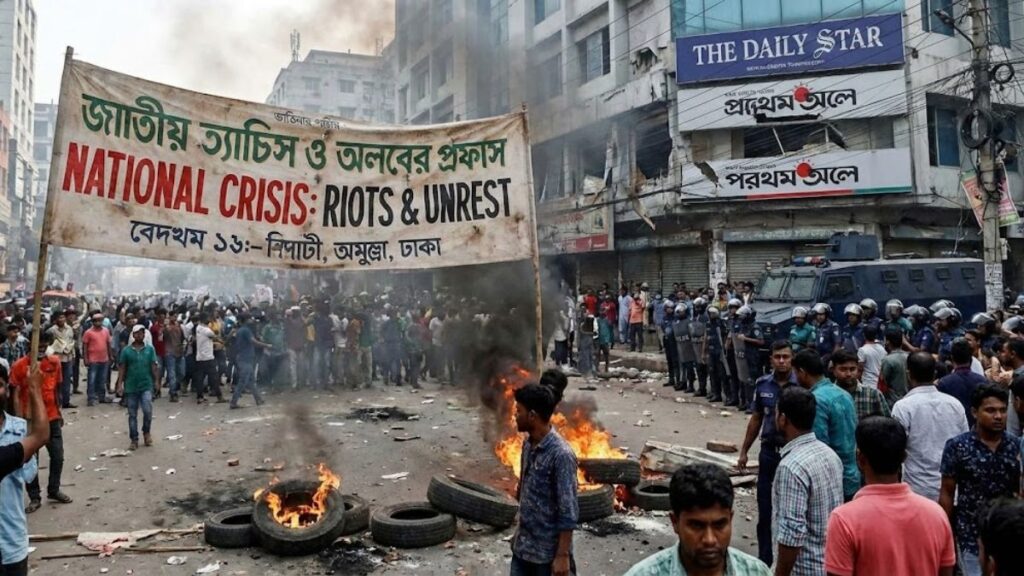
The High Court’s December bail order sparked significant protests in New Delhi and elsewhere. At Delhi’s Jantar Mantar, the victim’s family and activists voiced their anger, demanding heightened security and accountability, and condemning what they felt was political interference in the judicial process.
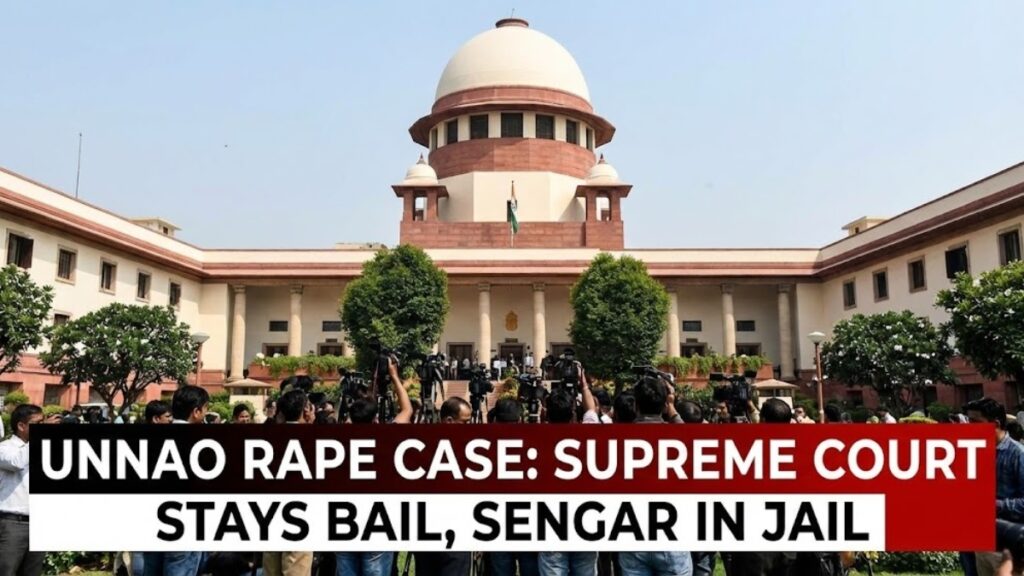
On the day of the Supreme Court hearing, tensions were visible outside the court premises, with heightened security. Inside the courtroom, emotions ran high; at one point, the victim’s mother reportedly fainted during the proceedings.
Women’s rights activists also gathered, reiterating calls for swift justice and robust protections for survivors of sexual violence. The public outcry reflects broader concerns about the treatment of powerful accused persons and the safety of victims and their families.
Legal and Social Significance
Legal experts say the Supreme Court’s decision to stay the High Court’s bail order underscores the judiciary’s caution in balancing the rights of the convict against principles of public safety, legal precedent, and statutory frameworks relating to sexual offences against minors.
The arguments debated in court — particularly whether MLAs and elected officials should be treated as “public servants” under aggravated offense provisions of the POCSO Act — may have lasting implications for future cases involving abuse of authority and sexual crimes against vulnerable individuals.
The Supreme Court’s notice to Sengar and the timeline for his response also mean that the legal battle will now extend into the early months of 2026, as the bench considers submissions, legal interpretations, and the broader implications of the case.
Voices from All Sides
Meanwhile, legal representatives for Sengar urged the public to have faith in the judicial process. His lawyer appealed for trust in constitutional values and insisted that legal arguments should be evaluated within the framework of established law rather than public sentiment.
Supporters of Sengar — though a small and controversial faction — also protested in parts of Delhi, accusing authorities of political bias and questioning the handling of the case. During some of these demonstrations, clashes between different groups and law enforcement were reported, reflecting the intense sentiments surrounding the matter.
Implications for the Survivor and Public Confidence
For the survivor and her family, the Supreme Court’s stay of the bail order has brought a wave of emotional relief mixed with continuing legal uncertainty. Ahead of the hearing, the survivor and her mother publicly expressed apprehension about personal safety and the security of their children, highlighting the long-running psychological toll of the case.
Civil society groups welcomed the apex court’s intervention, viewing it as an affirmation that serious sexual offences — especially those involving minors — must be treated with heightened scrutiny and seriousness. For activists, the hearing signifies ongoing efforts to strengthen legal recourse for survivors in India.
Case Background: A Crime That Shook the Nation
The Unnao rape case dates back to June 4, 2017, when a 17-year-old girl was allegedly abducted and raped by associates of Kuldeep Singh Sengar after being lured under false pretenses. The case ignited outrage due to allegations of intimidation of the victim’s family, threats, and attacks, including an accident in which the survivor and her family were seriously injured while being transported to safety.
Sengar was arrested by the CBI, tried, and convicted for the serious offenses under relevant sections of the Indian Penal Code, and was sentenced to life imprisonment in 2019. The Supreme Court later transferred connected cases to Delhi for fair trial and directed protection for the victim’s family, underscoring the judiciary’s role in sensitive criminal proceedings.
Looking Ahead
With the Supreme Court now actively reviewing the legality of the High Court’s bail order, the Unnao case is poised to remain in the spotlight in early 2026. The benches will hear detailed submissions from the CBI, the defense, and possibly amici curiae, as well as consider wider legal principles such as statutory interpretation of protective laws and the nature of bail in cases involving heinous crimes against minors.
The lingering questions over abuse of authority, interpretation of “public servant” under protective statutes, and procedural fairness are likely to frame not just this case but future jurisprudence on sexual offences and bail matters in India.
Summary
On December 29, 2025, the Supreme Court of India stayed the Delhi High Court’s decision granting bail and suspending the life sentence of Kuldeep Singh Sengar in the Unnao rape case, ensuring he remains in custody as legal challenges continue.
The court issued notice to Sengar, heard arguments from the CBI, and raised significant legal questions about how aggravated sexual offences are defined under Indian law.
The survivor’s family and civil society have welcomed the intervention, seeing it as a critical affirmation of justice in a case that has continuously tested public confidence in the criminal justice system.