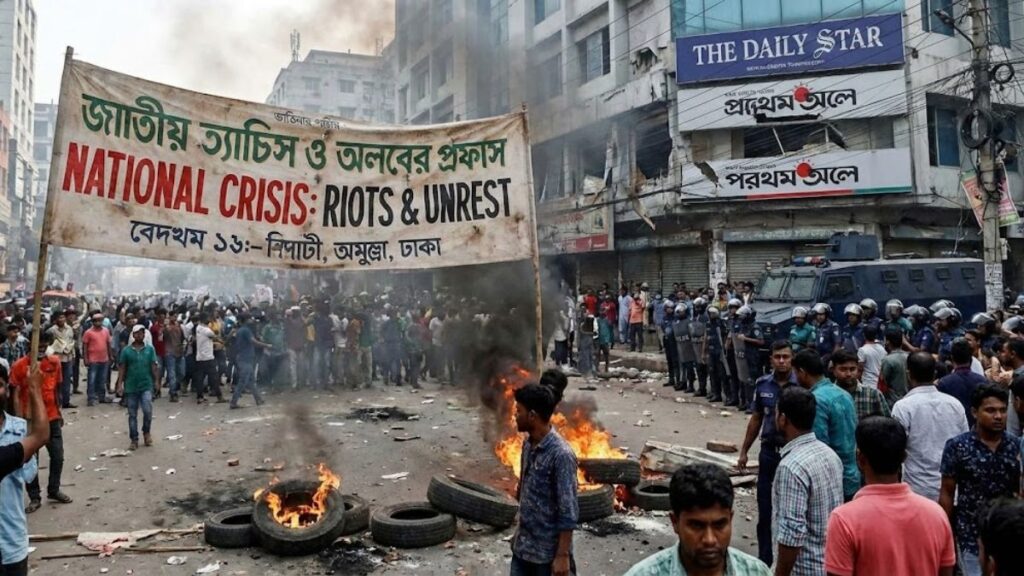
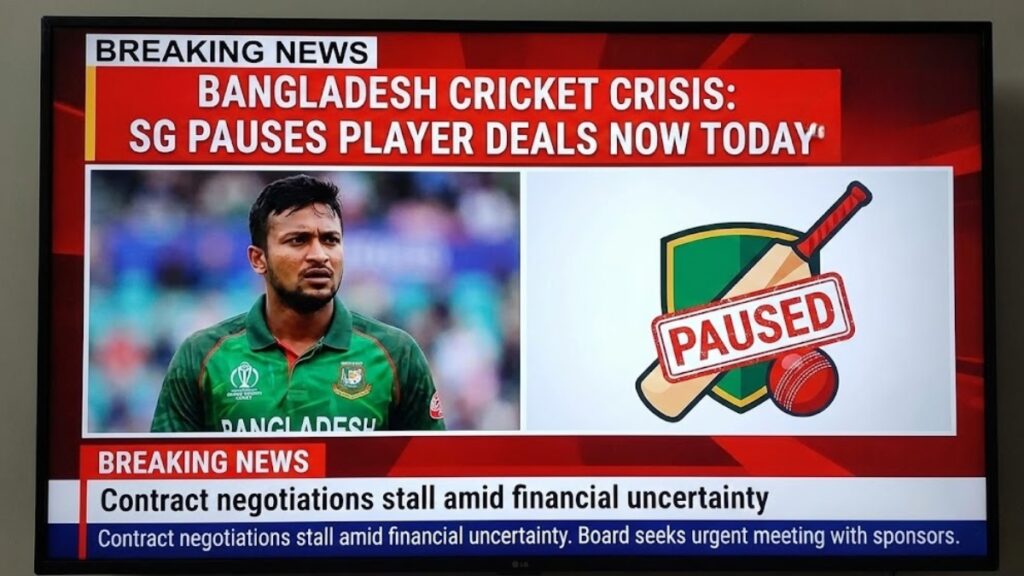
India’s diplomatic and cricketing stand-off with Bangladesh is beginning to bite where it hurts most: finance and kit. Times of India has learned that SG, one of India’s largest cricket equipment manufacturers, has put contract renewals for top Bangladeshi players, including captain Litton Das and Mominul Haque, on hold. The pause, sources say, is a direct consequence of the current political and security tensions between the two neighbours and the recent controversies around player movements.
The immediate effect is practical and painful. SG’s contract renewals were in process, but those talks have slowed. At the same time, the company has halted distribution of its equipment into Bangladesh for the last six months.
That stoppage has disrupted a supply chain that once included Bangladeshi factories producing apparel for Indian brands, meaning local retailers and grassroots programmes have felt the squeeze.
From an IPL spat to commercial fallout
The present crisis traces back to an off-field decision that quickly escalated. The Kolkata Knight Riders’ handling of Mustafizur Rahman, who had been bought at the November auction for Rs 9.20 crore, prompted strong reactions from Dhaka. The Bangladesh Cricket Board raised security concerns after Mustafizur’s release from the KKR squad and formally asked the International Cricket Council to shift Bangladesh’s four matches in the 2026 T20 World Cup out of India. The ICC has yet to rule on the request. Those developments, and the political temperature they created, now appear to be feeding corporate caution.
The consequence is double. Top players face an uncertain sponsorship future at a time when match fees alone do not always cover modern cricketers’ commercial expectations. Meanwhile, smaller teams, academies and club sides that depend on affordable equipment and steady distribution channels are losing access to internationally branded gear.
Industry sources point out that earlier, Sareen Sports Industries had pulled or cancelled deals with several Bangladeshi players when troubles began, further narrowing commercial options for athletes.
Why sponsors step back
Sponsorship is a risk calculation. Brands weigh exposure and goodwill against reputational and logistical risks. When bilateral relations are tense, two things happen. One, brands fear that visibility tied to one country could backfire in another market. Two, operational uncertainty — from customs delays to local distribution interruptions — raises costs and reduces margins. In SG’s case, the decision to slow contract renewals and suspend distribution looks like a pragmatic move to limit exposure until the political and security picture clarifies.
For players such as Litton and Mominul, that calculation has immediate personal implications. Endorsements are a major income stream, especially for players who are not guaranteed the same central contracts and league incomes as a handful of elite stars. A frozen renewal or a cancelled deal is lost earnings in the short term and may also dent a player’s bargaining power in the near future.
The wider sports economy is at risk
The effects extend beyond individual players. Bangladesh’s sports manufacturing and distribution ecosystem has been integrated with Indian companies for years. Fabric and apparel production in Bangladeshi factories served domestic needs and supplied Indian brands. With that pipeline slowed or stopped, factory owners, labourers, and small distributors face revenue shocks. The stoppage also affects access to cricket bats, protective gear and training kit at the grassroots level, potentially hampering talent development if the situation persists.
This is not just a commercial problem. Cricket in Bangladesh is a source of national pride and a vehicle for social mobility. Shrinking sponsorship pools and limited equipment supply can reduce opportunities for younger players to train and compete at scale, with long term consequences for pipeline strength.
What can cricketing authorities do?
There are several practical steps cricket boards and stakeholders can consider quickly:
• Diversify sponsorships. BCB can accelerate deals with regional and global brands that are less exposed to Indo-Bangladesh political risk. Cultivating sponsors from the Middle East, Southeast Asia or multi-national corporations with neutral profiles can reduce dependence on single markets.
• Short-term financial relief. Player unions or the board could offer interim stipends or bridge contracts for players whose brand deals have been frozen, to prevent immediate financial strain.
• Supply chain contingency. The BCB and local distributors should identify alternate suppliers and negotiate emergency imports or local manufacturing incentives so grassroots programmes are not starved of equipment.
• Diplomatic and ICC mediation. Because the dispute now impacts a major ICC event, the council’s timely engagement to assess security concerns and broker solutions is critical. An ICC determination on venue shifts or security assurances will guide commercial risk assessments by sponsors.
Commercial and reputational tradeoffs for sponsors
For manufacturers like SG and Sareen Sports, pulling back is costly in the medium term. Bangladesh is a cricketing market with passionate fans and rising commercial returns. Brands that withdraw risk losing market share to competitors that remain. Yet, when reputational or operational risks loom large, short-term caution can seem the safer path. Some brands may instead opt for low-visibility community initiatives that continue to support sport without high-profile endorsements.
The human story
Beyond corporate balance sheets and policy briefs, there is a human cost. Players who have trained for years to compete on the world stage now face public speculation about their financial security and future. Staff at manufacturing units and small sports retailers see orders dry up. Fans who expected to buy their favourite players’ kit this season may find shelves empty. These micro experiences reflect the macro risk: when geopolitics and sport collide, livelihoods and local ecosystems are often the collateral damage.
Looking ahead
If relations improve between India and Bangladesh, sponsors and distributors may return quickly. The TOI report notes that some companies canceled contracts when tensions spiked last year but reopened talks when conditions normalised.
That suggests the current freeze could be temporary if diplomatic channels and cricketing governance produce reassuring outcomes. But if the BCB’s request to the ICC leads to venue changes or protracted uncertainty, sponsors may recalibrate long term strategies in ways that are harder to reverse.
For now, stakeholders on both sides face a delicate task. Cricket’s commercial architecture depends on predictable venues, free movement of players and stable trade relations for equipment and apparel. Restoring those conditions quickly will require coordinated action from cricket boards, corporate partners, and international authorities. Otherwise the sport’s development pathway in Bangladesh risks a costly interruption at precisely the moment it needs investment the most.