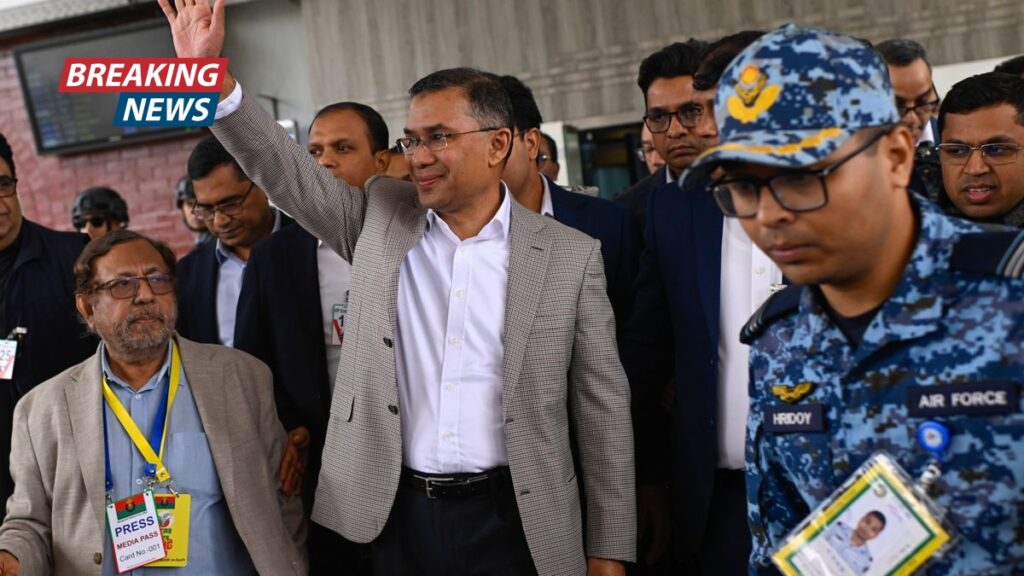
Dhaka, Bangladesh — Tarique Rahman, the acting chairman of the Bangladesh Nationalist Party (BNP) and eldest son of former Prime Minister Khaleda Zia, returned to Bangladesh on December 25, 2025, ending 17 years in self-imposed exile in London. His homecoming marks a dramatic moment in the country’s political landscape as Bangladesh prepares for general elections scheduled for February 12, 2026, and echoes through the region’s complex political history.
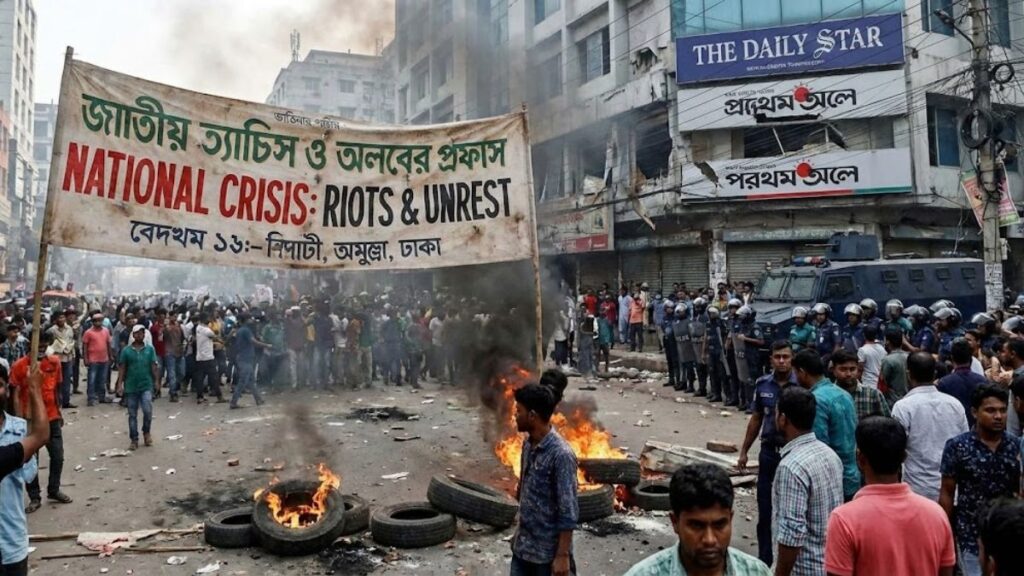
Rahman’s arrival in Dhaka has sparked a massive mobilization by BNP supporters, widespread media coverage and intense commentary from political figures across the spectrum. In Dhaka, massive stages, security preparations and crowds of activists gathered in anticipation of his return. Authorities coordinated extensive logistical support, including police deployments, medical teams and public safety measures, to manage the expected influx of thousands of supporters.
A Return After Nearly Two Decades
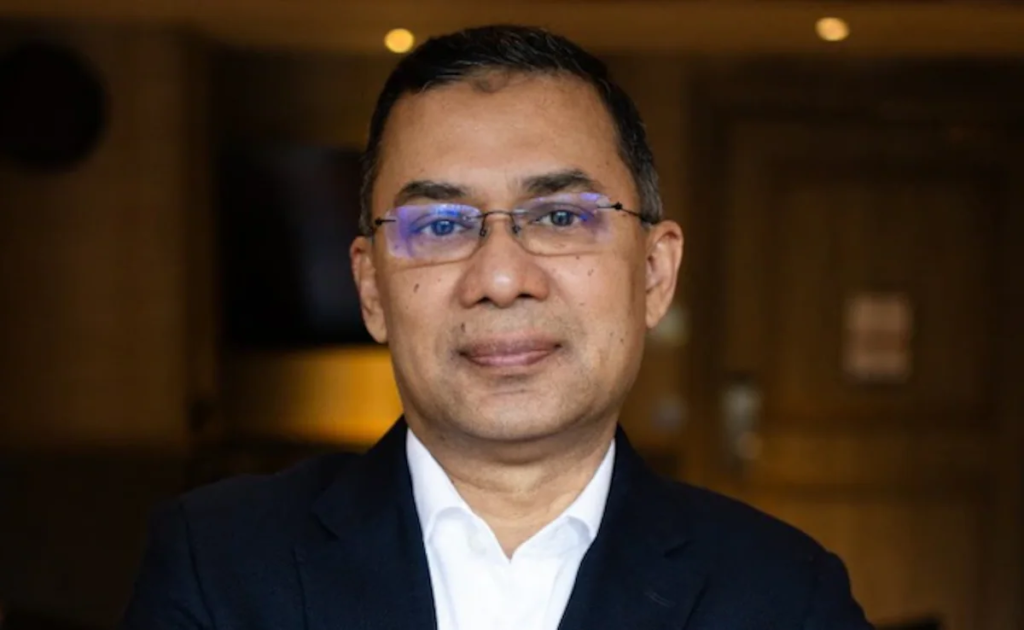
Tarique Rahman, now 60 years old, left Bangladesh in September 2008 amid escalating legal cases and political threats against him and his mother, Khaleda Zia, a two-time prime minister and one of Bangladesh’s most influential political figures. Rahman lived in London for nearly two decades, positioning himself as the BNP’s acting chairman and leading the party’s activities from abroad.
While in exile, Rahman was elected Senior Vice Chairman of the BNP in 2009, continuing to shape party strategy and messaging despite his physical absence from the country. At one point he also registered a private public relations and communications firm in the United Kingdom, reflecting his engagement in both political and professional activities while abroad.
Legal Barriers Lifted After Political Change
Rahman’s return became possible after the fall of Sheikh Hasina’s government in 2024 following a powerful student-led uprising that reshaped Bangladesh’s political order. Under Hasina’s government, Rahman had faced a series of criminal convictions, including cases involving money laundering and a plot to assassinate the prime minister. With the change in government, however, those convictions were overturned, clearing the legal barriers that had prevented his return for many years.
Upon landing at Hazrat Shahjalal International Airport in Dhaka, Rahman was greeted by senior BNP leaders and thousands of supporters. In a symbolic moment, he reportedly removed his shoes and touched the soil with his bare feet — a gesture that was widely shared on social media by supporters as a sign of emotional reconnection with his homeland.
Political Context and Election Stakes
Rahman’s return comes at a pivotal time for Bangladesh’s democracy. The upcoming 2026 general election is expected to be one of the most consequential in decades, with Rahman widely viewed as a leading contender for the position of prime minister if the BNP secures a majority in parliament. Several election surveys indicate that the BNP is poised to win the largest number of seats, with allied parties such as the Jamaat-e-Islami also in the fray.
The political landscape is further complicated by the fact that the long-dominant Awami League, led by outgoing prime minister Sheikh Hasina, has been barred from contesting this election. The interim government overseeing the electoral process is led by Nobel laureate Muhammad Yunus, who has pledged to ensure free and fair elections despite sporadic episodes of violence and concerns over media freedom.
While the BNP celebrates Rahman’s return as a triumph for democracy, some opposition voices and civil society observers warn that heightened political tensions could pose challenges to stability in the coming months. There are ongoing concerns about law enforcement responses to protests, protecting elections from irregularities, and maintaining order during large public gatherings.
Personal and Political Motivations
Party insiders say Rahman’s decision to return was influenced by both political developments and personal circumstances. His mother, Khaleda Zia, 80, has been reported to be in poor health for several months, adding urgency to his homecoming. Rahman expressed publicly that returning to Bangladesh to be with his ailing mother and to participate directly in the nation’s political transformation were both central to his decision.
For many in the BNP and its supporters, Rahman’s return symbolizes a major renewal of hope. The party announced plans for a massive rally expected to draw millions of people through the streets of Dhaka, a demonstration aimed at showcasing its strength and unity ahead of the elections.
Looking Ahead: Challenges and Opportunities
Rahman now faces the challenging task of translating his symbolic return into tangible political success. Analysts highlight that while the BNP appears favored in many polls, successfully campaigning in a short period and uniting diverse factions within Bangladeshi politics remains a formidable task.
The broader political environment is in flux, with new parties like the National Citizen Party (NCP) — born from the youth movement that helped oust Hasina — also playing a significant role. Some members of the NCP have expressed support for Rahman’s leadership, saying his return could represent a shared commitment to democratic reform and stability.
International observers, including regional governments and global media, are watching closely. How Bangladesh navigates this transition — between the legacy of decades of political rivalry and the prospects for a new era of democratic governance — will likely shape the country’s political trajectory for years to come.
As celebrations and preparations continue in the capital and across the nation, one thing is certain: Tarique Rahman’s return marks a defining moment in Bangladeshi politics, with potential consequences for the future of governance, civil society and regional diplomacy.